Forecasting the Unexpected: Machine Learning Applications in Live Football Odds Calculation
Written by Zoe Meier · Nov 2, 2026
Forecasting the Unexpected: Machine Learning Applications in Live Football Odds Calculation
Live football odds calculation has shifted dramatically as machine learning models now process vast streams of in-game data to adjust probabilities within milliseconds of each event. Traditional statistical methods relied on fixed historical averages and manual interventions, yet these approaches often struggled when matches deviated from expected patterns such as sudden red cards or weather shifts. Researchers at institutions like Stanford University have documented how supervised learning frameworks, trained on millions of match events, identify subtle correlations between player positioning and scoring likelihood that static models overlook.
Core Data Inputs Driving Model Accuracy
Modern systems ingest player tracking coordinates, ball telemetry, heart rate metrics from wearables, and environmental variables including pitch moisture levels. These inputs feed into ensemble methods that combine gradient boosting with recurrent neural networks to forecast the next sequence of play. Studies indicate that models incorporating optical tracking data achieve higher precision in predicting set-piece outcomes compared with those limited to score and time variables alone. And because matches unfold in continuous time, the algorithms update posterior probabilities after every pass or tackle rather than waiting for discrete milestones.
Handling Anomalies and Unexpected Turns
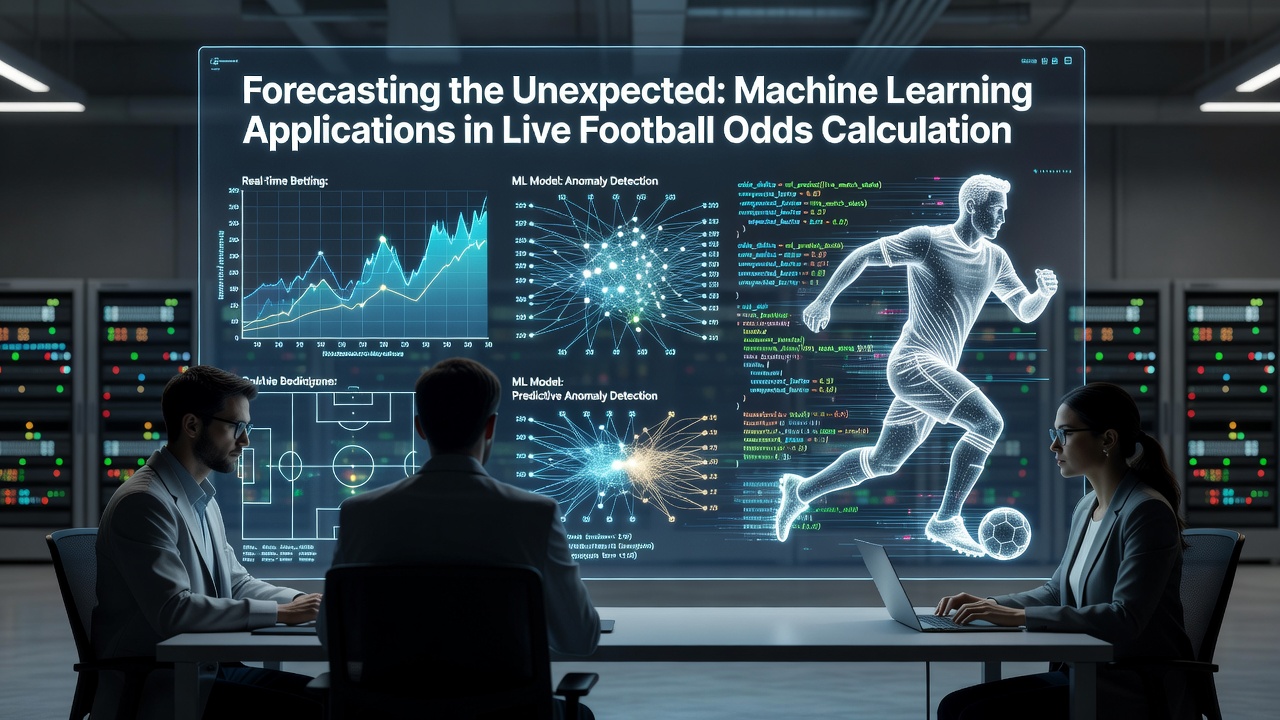
Unexpected events create the greatest challenge for live odds engines. A goalkeeper sustaining an injury or a pitch invader disrupting play requires rapid recalibration of win probabilities across all markets. Anomaly detection layers within the machine learning pipeline flag deviations from learned distributions and trigger fallback models trained on rare historical incidents. In November 2026 several major operators reported that their systems correctly adjusted over/under markets within four seconds of a mid-match thunderstorm halting play in a European league fixture, demonstrating the practical value of these detection mechanisms.
Reinforcement learning components further refine performance by simulating thousands of counterfactual match trajectories after each real-world update. This allows the model to estimate the value of a defensive substitution before it occurs. Observers note that such forward simulation reduces latency in odds dissemination because the system already holds pre-computed probability shifts for common tactical changes.
Integration with Broader Sports Analytics Ecosystems
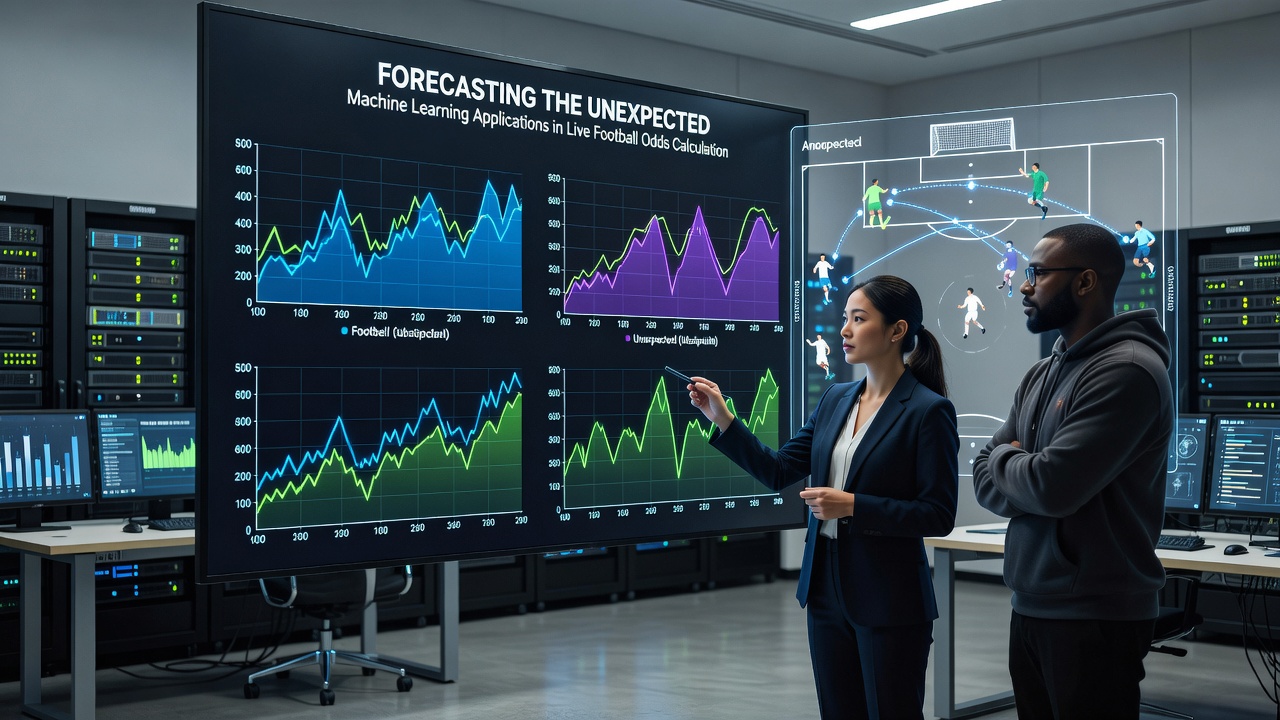
Platforms now link their live odds engines to third-party data providers that supply standardized event feeds. This interoperability enables smaller operators to access the same underlying models previously available only to large bookmakers. A report from the Australian Institute of Health and Welfare highlights how regulatory bodies in multiple jurisdictions examine these shared infrastructures for fairness and transparency requirements. Meanwhile academic papers from Carnegie Mellon University explore bias mitigation techniques that prevent models from overweighting data from high-profile leagues at the expense of lower-tier competitions.
Hardware constraints also shape deployment choices. Edge computing nodes placed near stadium networks reduce round-trip times for data packets, allowing probability updates to reach bettors before the next kick-off. Field tests conducted during international tournaments in 2025 confirmed that sub-100-millisecond latencies became achievable once fiber connections replaced satellite relays for primary data routes.
Regulatory and Operational Considerations
Gaming authorities across North America and the European Union require operators to maintain audit trails of every odds change triggered by machine learning outputs. These logs help verify that adjustments stem from genuine data signals rather than arbitrary interventions. Industry groups such as the World Lottery Association have published guidelines recommending periodic model retraining on fresh datasets to account for evolving playing styles and rule modifications. Compliance teams therefore schedule quarterly reviews that compare live model performance against historical benchmarks.
Security protocols protect both the training datasets and the inference endpoints from adversarial attacks that could manipulate odds in favor of coordinated actors. Encryption standards combined with anomaly monitoring at the network level form the first line of defense, while continuous penetration testing identifies vulnerabilities before they affect live markets.
Conclusion
Machine learning has transformed live football odds calculation from a reactive exercise into a predictive discipline capable of incorporating new information almost instantaneously. Continued advances in sensor technology and model architecture suggest further reductions in adjustment latency while maintaining statistical rigor. Operators and regulators alike continue to refine oversight frameworks that balance innovation with consumer protection across global markets.